
TITLE OF THE MASTER THESIS: Risk allocation in international construction contracts: a comparative study of FIDIC, NEC, JCT and Brazilian bespoke practices
TITLE OF THE MASTER: Contract, Claim, and Delay Management in Construction Works
AUTHOR: Eng. Armando Vinicius Flores Iazzetta
TUTOR: Eng. Giovanni Franchi
Construction contracts convert uncertainty into responsibility. They shape how projects are priced, how parties behave during execution, and whether disagreement is absorbed by the contract or escalated outside it. This thesis examines how four contractual models, 3 standard forms and Brazilian bespoke practice, allocate construction risk and prevent disputes. The objective is to identify the conditions under which each model performs better, and whether elements of the four traditions can be usefully combined, not to rank them.
Brazil is the chosen context because its Civil Code gives weight to good faith, contractual balance, and excessive onerousness, principles that affect how a written allocation operates once performance departs from what the parties assumed at signature. Large Brazilian infrastructure projects routinely use bespoke contracts within a sophisticated institutional environment, raising the question of whether bespoke practice and international standard forms each contribute features the other lacks.
The research combines comparative contractual analysis with case studies of two Brazilian renewable energy projects, anonymised as Ventos do Nordeste (wind) and Sol de Minas (solar photovoltaic). Primary documentation, executed contracts, schedules, amendments, claim correspondence, technical committee materials, and as-built reconciliations, is used to reconstruct how risks were allocated at signature, administered during execution, and resolved when disagreement arose, including for each project a counterfactual assessment against standard forms.
Ventos do Nordeste, a bespoke turnkey EPC contract, was built under severe stress: the COVID-19 pandemic, supply chain disruption, and turbine delivery delays. Brazilian instruments absorbed these shocks, INCC indexation with foreign exchange adjustment, aditivos consolidating time, cost, and commercial consequences, a technical committee with independent members, and Civil Code rebalancing in the background. Sol de Minas, a split-EPC structure managed by the same group’s SPE, proceeded under stable conditions but met routine risks, handled through pre agreed unit rates, programme float, IPCA indexation, aditivos, and technical committees.
The case studies suggest that dispute prevention depends on operational fit between the contractual provision and the risk that actually materialises, not on a categorical preference for standard forms or bespoke practice. Three conclusions emerged: imported standard forms may later encounter Brazilian Civil Code principles as a source of uncertainty; in long duration projects, index linked adjustment creates the baseline from which extraordinary price divergence can be quantified and negotiated; and the strongest model is hybrid, combining international procedural discipline with Brazilian-style adaptation. The thesis proposes the principle of controlled flexibility: a contract predictable enough to be reliable, flexible enough to remain workable when project assumptions change, and adapted to the local legal environment to avoid friction with mandatory principles.
Keywords: Risk allocation; Construction contracts; FIDIC Yellow Book; Brazilian bespoke contracts; Dispute prevention; Renewable energy projects; Controlled flexibility; Civil law adaptation.
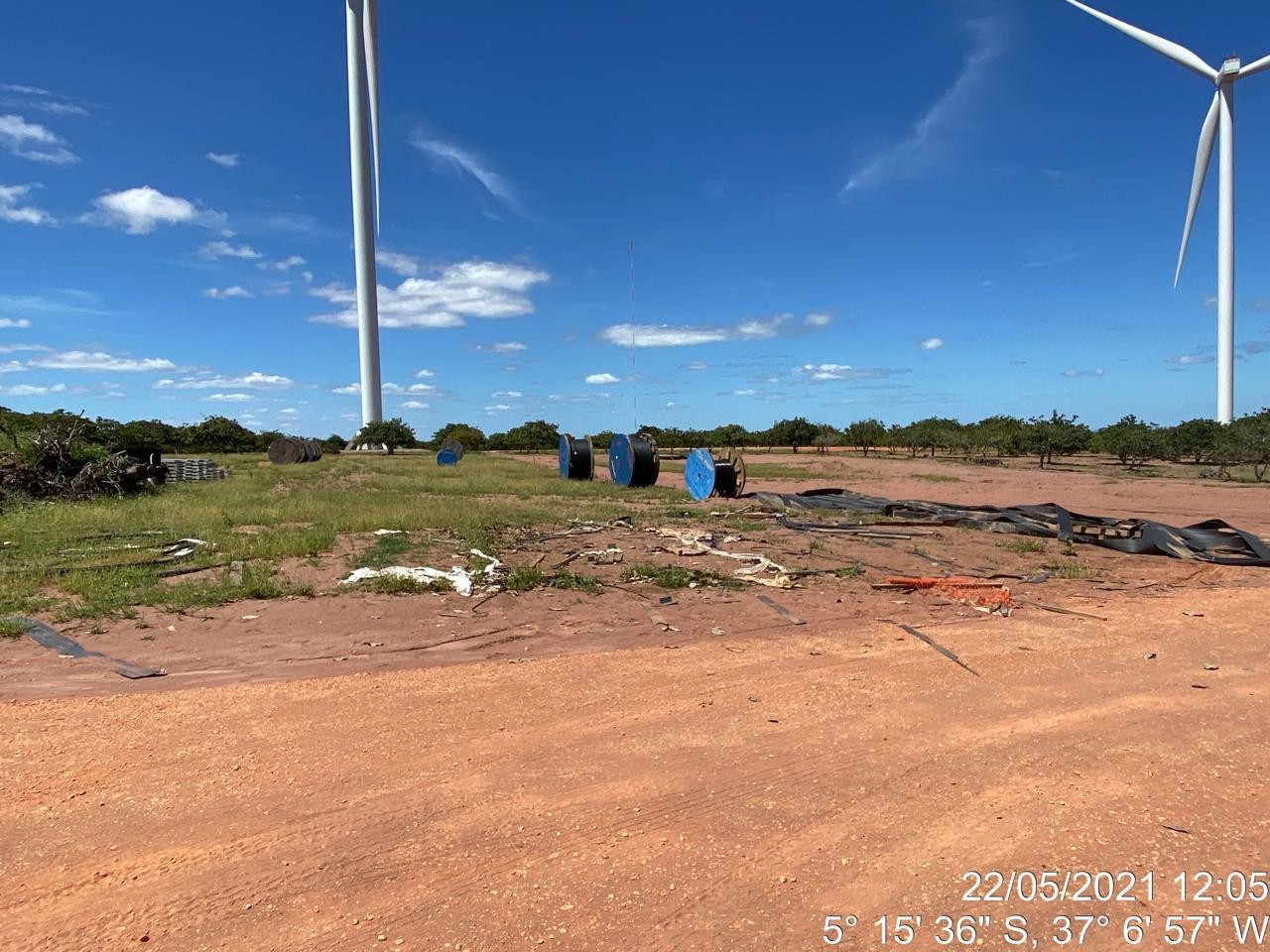
Figure 1. Ventos do Nordeste – Onshore Wind Project (credits: Osvaldo Oliveira)
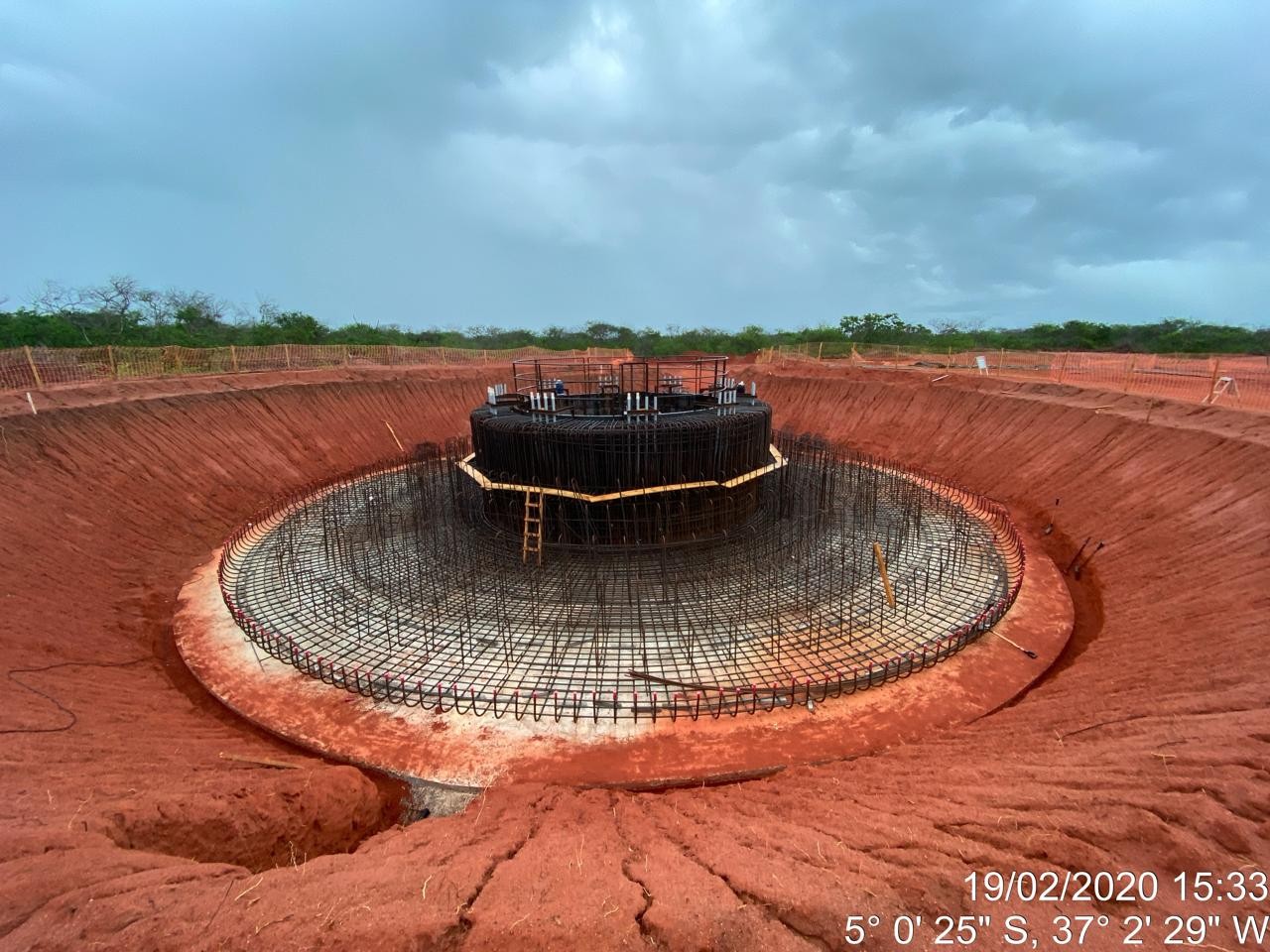
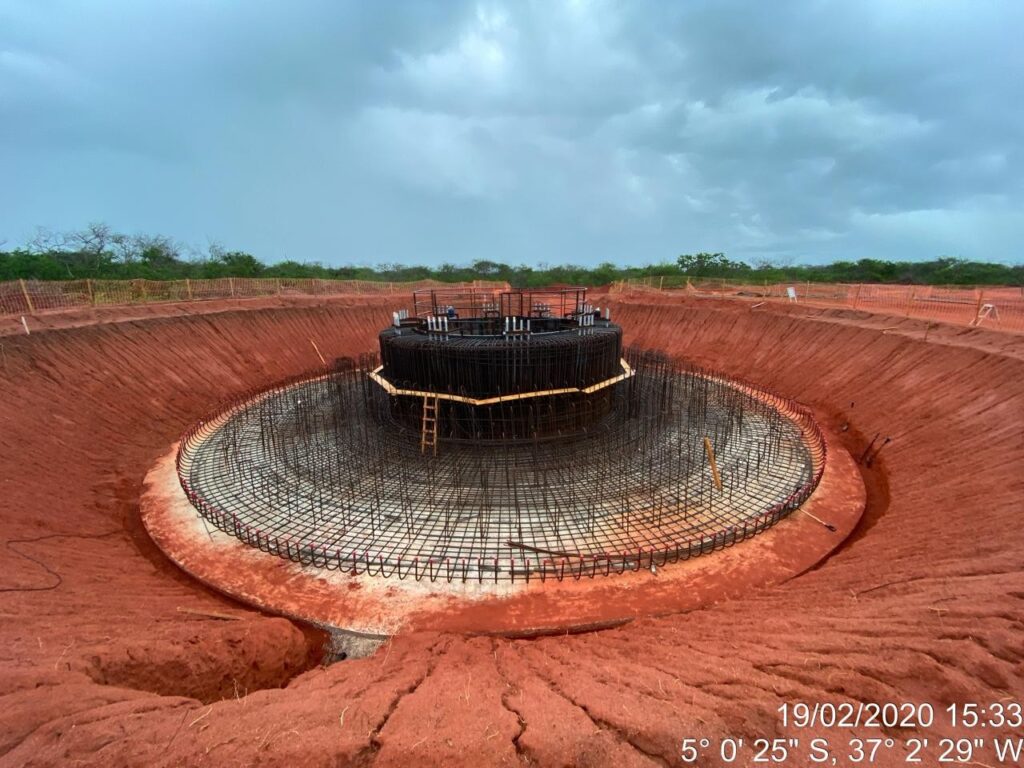
Figure 2. Ventos do Nordeste – Wind Turbine Generator Foundation (credits: Osvaldo Oliveira)
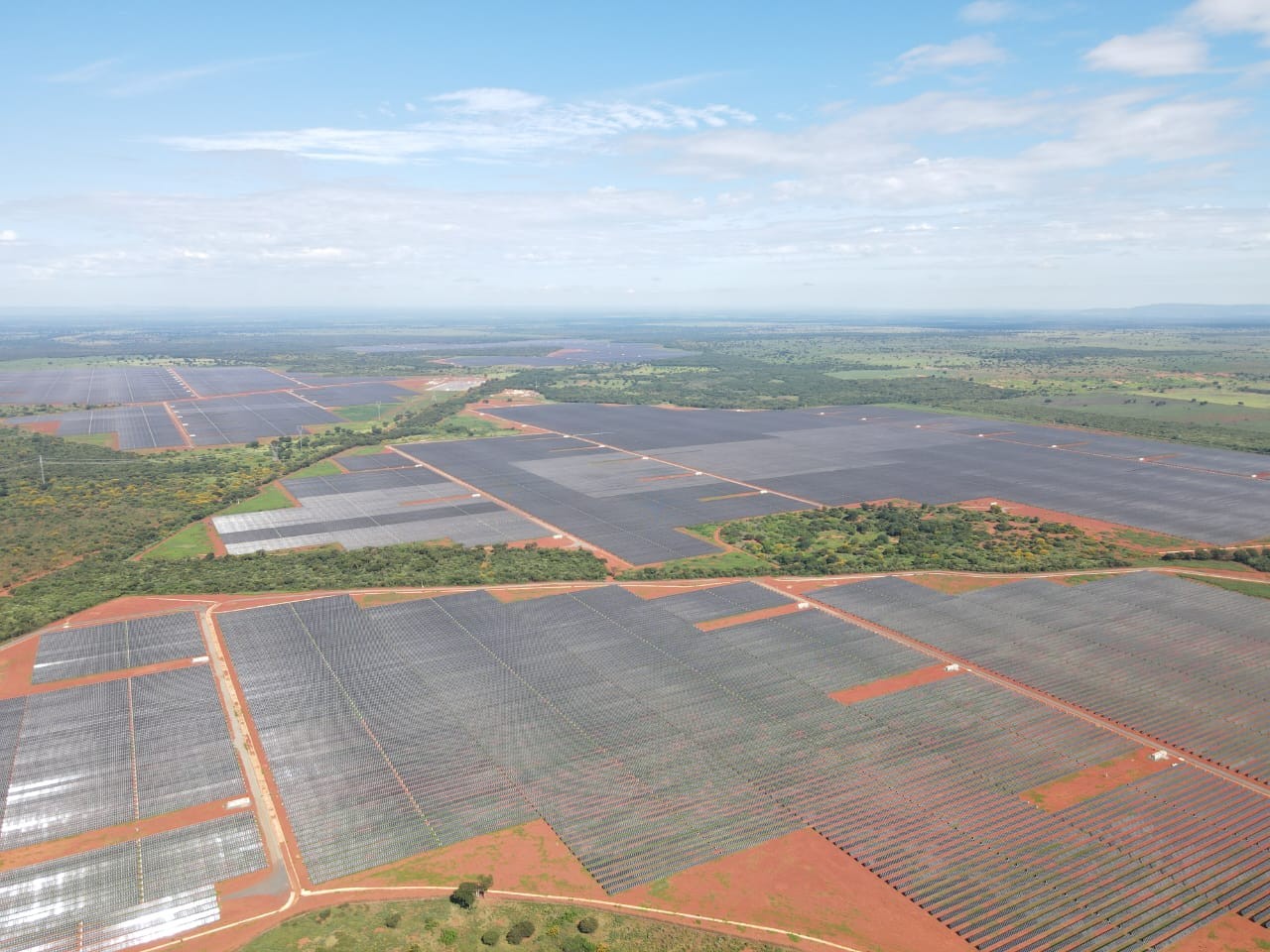
Figure 3. Sol de Minas – Solar Photovoltaic Project (personal archive)
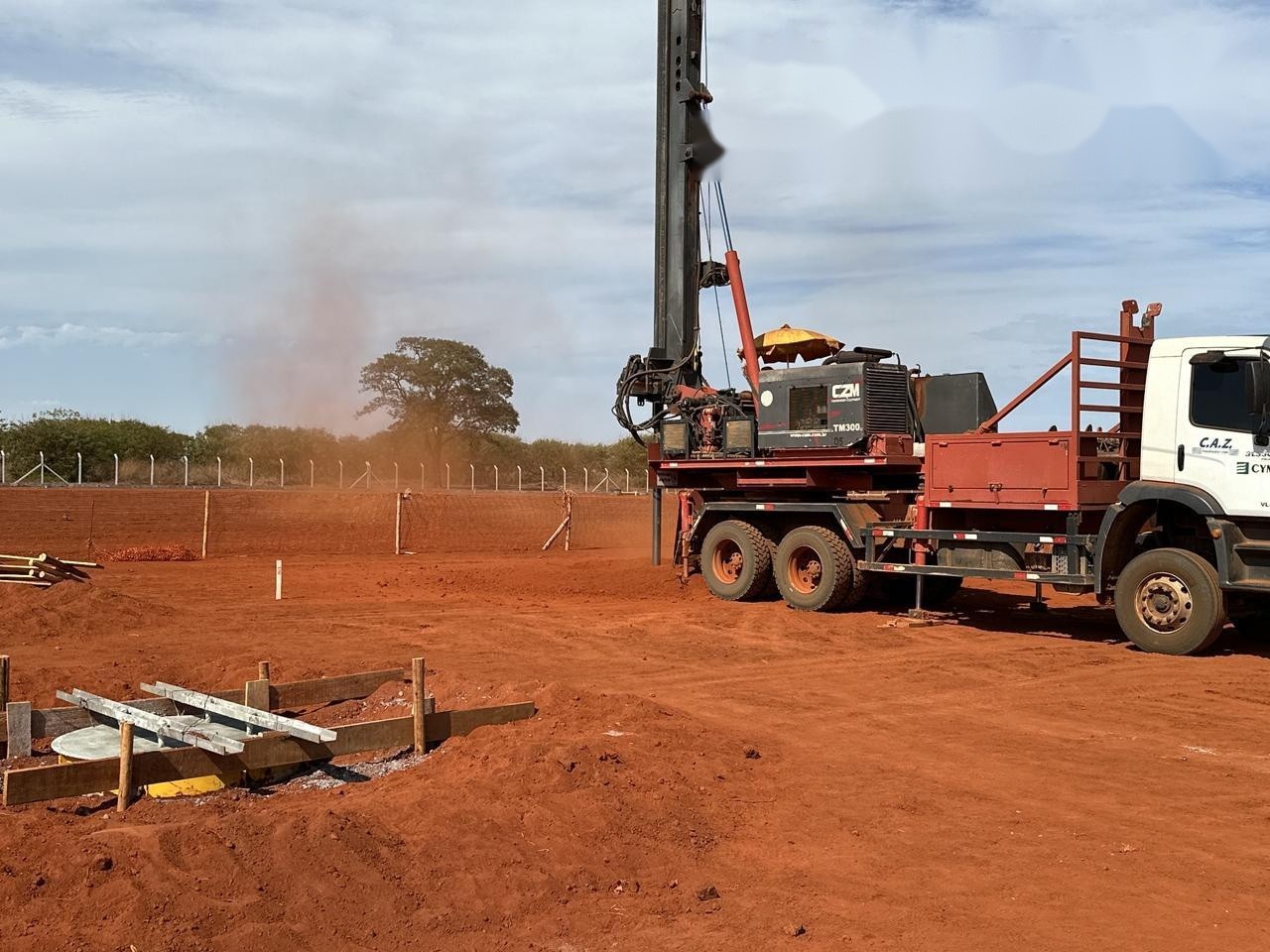
Figure 4. Sol de Minas – Pre-Drilling for Tracker Piles (personal archive)