

TITLE OF THE MASTER: Project and Contract Management in Construction Works
AUTHOR: Can Azakli
TUTOR: Ing. Franchi
OVERVIEW OF THE THESIS
Industrial construction projects depend on accurate engineering information, well-coordinated site activities, reliable project records, and timely decisions. When that flow is interrupted, delays quickly spread beyond a single activity. One delayed engineering drawing is often enough to slow the project down. Work that should have started cannot proceed, other activities have to wait, extra work appears, and both time and cost increase. Without reliable records, it becomes difficult to explain these impacts or support a contractual claim for them.
This thesis examines a real industrial construction project where the Contractor took over after the project had already entered a critical stage. The Contractor inherited a project that had already fallen behind. Engineering documents were missing, work had been interrupted in several areas, and project records were kept in different places. Daily reports, engineering transmittals, schedules, correspondence, quantity records, and site observations all contained valuable information. The challenge was that this information was fragmented, making it difficult to understand what had happened, who was responsible, and whether contractual entitlement could be supported.

Figure 1: General view of the case study project during the structural steel erection phase.
The immediate priority was to regain control of the project. Before preparing any contractual claim, the available information first had to be organized and verified. The review started by comparing the project schedule with actual site progress. Engineering issue dates, quantity changes, site records, and project correspondence were then examined together to establish the sequence of events. Examining the records together showed that many delays were part of the same chain of events rather than isolated incidents. They showed that the project had wider problems with engineering, project records, and coordination.
To bring all of this information together, a practical Entitlement Mapping methodology was developed. The method organizes project records into a structured event-based system. Each event is linked to the available evidence, the activities it affected, the responsible party, the relevant contractual obligations, and the resulting time and cost impacts. It identifies the events behind delays and links them to documented project records.

Figure 2: Proposed Entitlement Mapping workflow.
Project records were scattered across different sources, so the first task was to bring them together in a structured way. Engineering transmittals and design tracking logs were used to identify when documents were issued and later revised. Construction schedules were compared with actual site progress. Quantity analyses were then used to identify scope increases in concrete works, structural steel, embedded items, and technological systems. The event register brought all of this information into one place, allowing technical, contractual, scheduling, and commercial issues to be assessed together.
Bringing the project records together made it much easier to understand how the project had developed. Engineering information often arrived late or incomplete, delaying the start of several construction activities. Design revisions also interrupted work already underway. Scope growth increased fabrication, installation, and logistics work. Incomplete project records also made it harder for the Contractor to demonstrate contractual entitlement. Assessing each event within the overall project timeline showed how the project had developed.
The analysis showed a cumulative delay of 336 days and an estimated commercial exposure of approximately RUB 2.64 billion. These figures came from documented project records, not assumptions or broad estimates. The results were based on documented project events, delay analyses, quantity changes, cost assessments, and the contractual review. Developing delay and cost assessments from the same verified event record produced more reliable results.
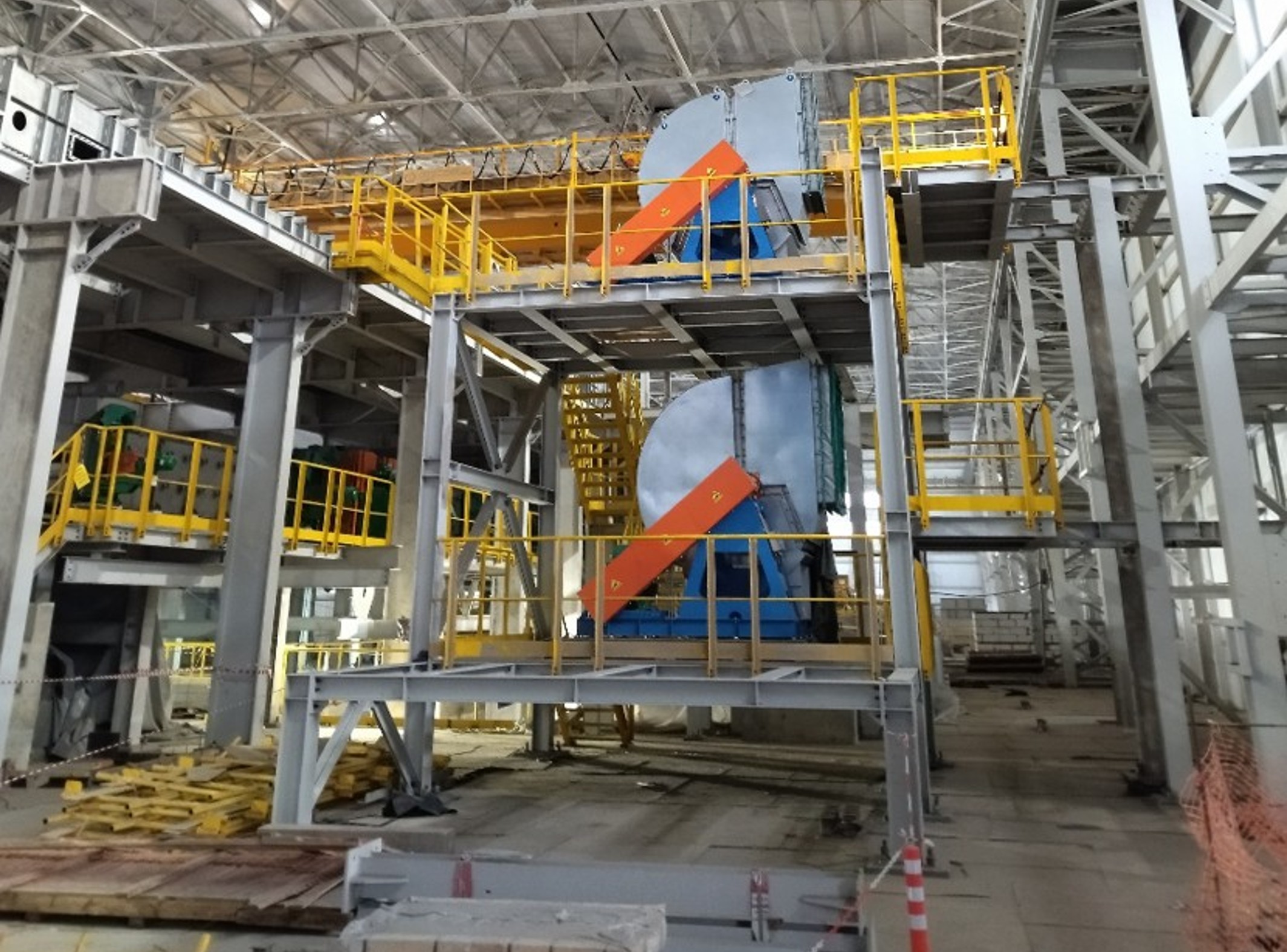
Figure 3: Additional installation works and technological systems.
The project showed that entitlement management involves more than contract interpretation. Strong contractual arguments have little value without complete project records. Technical analyses alone are not enough. They also need contractual support. Engineering, construction, planning, project controls, procurement, and commercial management each contributed part of the evidence needed to understand the project. Bringing this information together strengthened the Contractor’s commercial position.
Waiting until the end of construction to reconstruct delay and cost impacts is often too late. By then, some records may already be missing, documents can be difficult to locate, and it becomes harder to connect one event to another. Event tracking, document control, schedule verification, quantity monitoring, and contractual review need to work as one process throughout project execution, not as separate activities.
The experience gained during the project also led to several practical recommendations for future projects. Keeping an event register from the start of the project helps connect engineering issue dates with the affected construction activities. Each schedule update should clearly explain what changed and why. Cost impacts should be assessed event by event, with contractual entitlement supported by documented evidence. Keeping this information up to date throughout the project helps protect contractual value by making sure the necessary evidence is available when required.
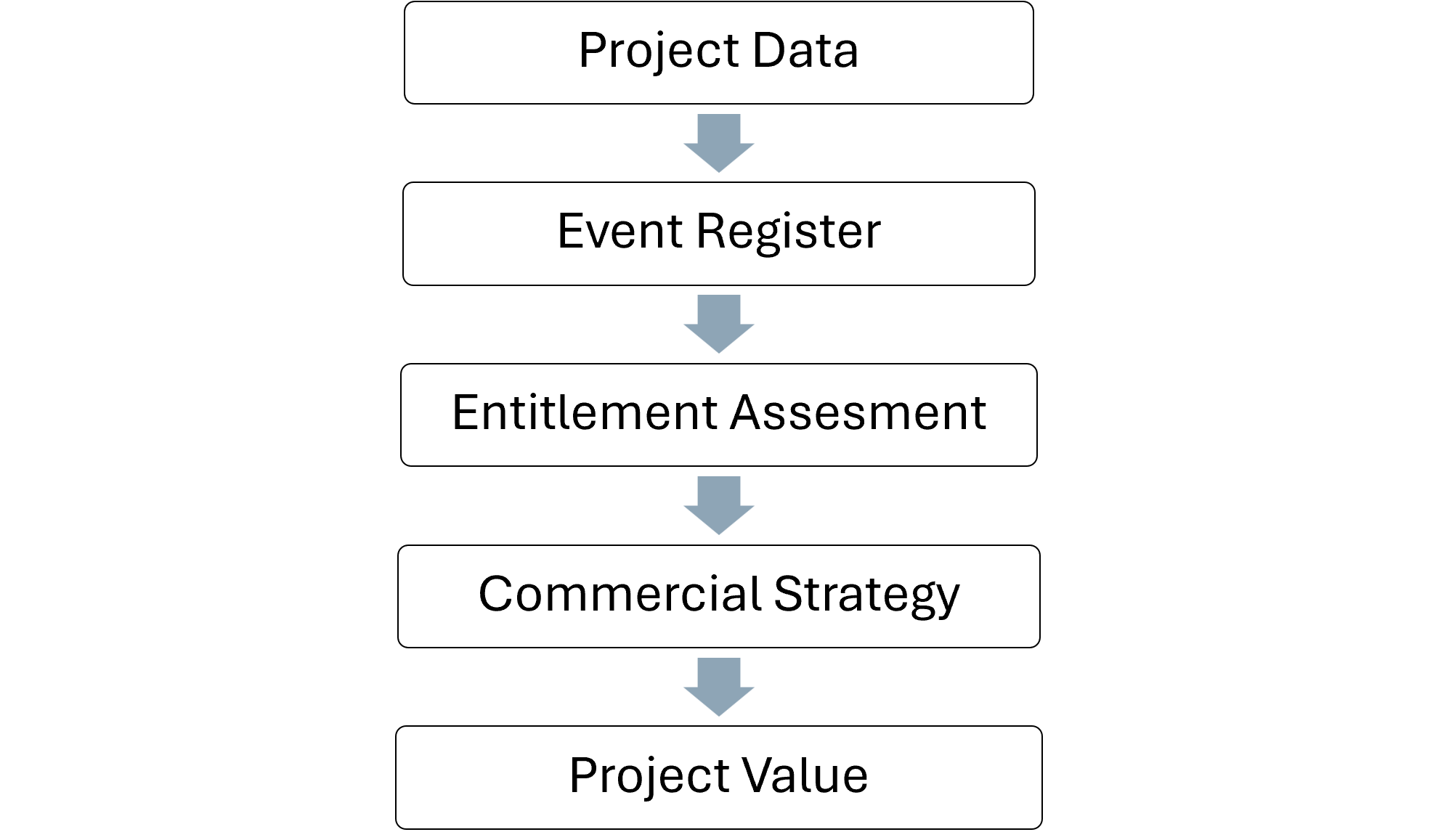
Figure 4: Entitlement Mapping for project management and commercial decisions.
As the project progressed, Entitlement Mapping became part of the way the project was managed. It became a practical management tool that brought project information together, linked technical events to contractual obligations, and supported commercial decisions with documented evidence. Close cooperation between engineering, planning, project controls, commercial management, and contract administration helped identify risks at an early stage.
CONCLUSIONS AND LESSONS LEARNED
Project information has little value unless it is organized, verified, and linked to contractual entitlement. Project records from different disciplines were organized into a single event-based system. This helped explain the causes of delay, assess their time and cost impact, and support commercial negotiations. Planning, engineering, contractual assessment, and cost analysis are most effective when they are managed as one process rather than as separate activities.
Effective entitlement management requires close collaboration across project disciplines. Engineering, construction, planning, project controls, procurement, commercial management, and contract administration all contributed to building a clear picture of the project. No single discipline had all the answers. Combining information from different project functions made it easier to understand how events were connected and how they affected the Contractor’s contractual position.
The methodology was developed from a single industrial construction project, but the same approach can be used on projects facing delayed engineering information, fragmented documentation, scope growth, or weak project controls. Using Entitlement Mapping throughout the project helps organize information, improve coordination between project disciplines, and support contractual decisions with documented evidence.
Project records became useful after they were collected, checked, and linked to specific project events. The same event record was then used for both delay and cost assessments. This made the Contractor’s position easier to explain and support.