AUTHOR: Mirmoini Seyed Ali
TUTORS: Ing. G. Franchi
TITLE: The role of Interface Management in contract, claim and delay management in complex rail projects.
MASTER: Contract, claim and delay management in construction works
Rail infrastructure projects are critical to fostering connectivity, improving urban mobility, and supporting sustainable development. These projects, however, are among the most challenging to execute due to their inherent complexity. Unlike simpler construction projects, rail initiatives require the coordination of numerous technical systems, including rolling stock, signalling and control systems, power supply, telecommunication systems, stations and other infrastructures like bridges, tunnels etc. Additionally, these projects involve a diverse array of stakeholders—contractors, regulatory authorities, operators, and funding institutions—all of whom must align their efforts to achieve successful outcomes. The interplay of these factors introduces significant risks, making the management of contracts, claims, and delays a fundamental concern.
A recurring challenge in these projects lies in the management of interfaces—the critical points where systems, responsibilities, or disciplines intersect. Interfaces represent not only physical connections, such as track alignments, rolling stock and signalling integration, but also functional and organizational linkages. Mismanagement of these interfaces can lead to cascading failures that disrupt project timelines, inflate budgets, and damage relationships among stakeholders. For example, unclear allocation of interface responsibilities can result in conflicts between contractors, while poorly defined technical specifications may require costly rework during construction or testing. Compounding these challenges are regulatory frameworks that demand strict compliance, adding further layers of complexity to project delivery.
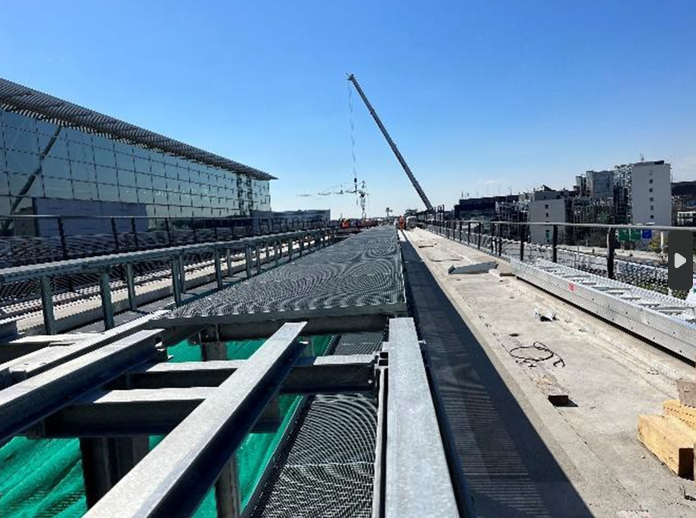
Figure 1: Special superstructure and elevated track with massive construction, Frankfurt
This thesis investigates the critical role of interface management in overcoming these challenges. Interface management is the systematic process of identifying, defining, and resolving interactions across a project’s lifecycle. By employing structured methodologies, it ensures that technical, contractual, and operational elements are aligned, reducing risks and fostering collaboration. The study explores best practices in interface management and integrates them into a comprehensive framework tailored to rail construction projects. Tools such as the Interface Management Plan (IMP) and the Interface Matrix are central to this framework, providing clear mechanisms for tracking progress, resolving conflicts, and maintaining accountability among all project participants.
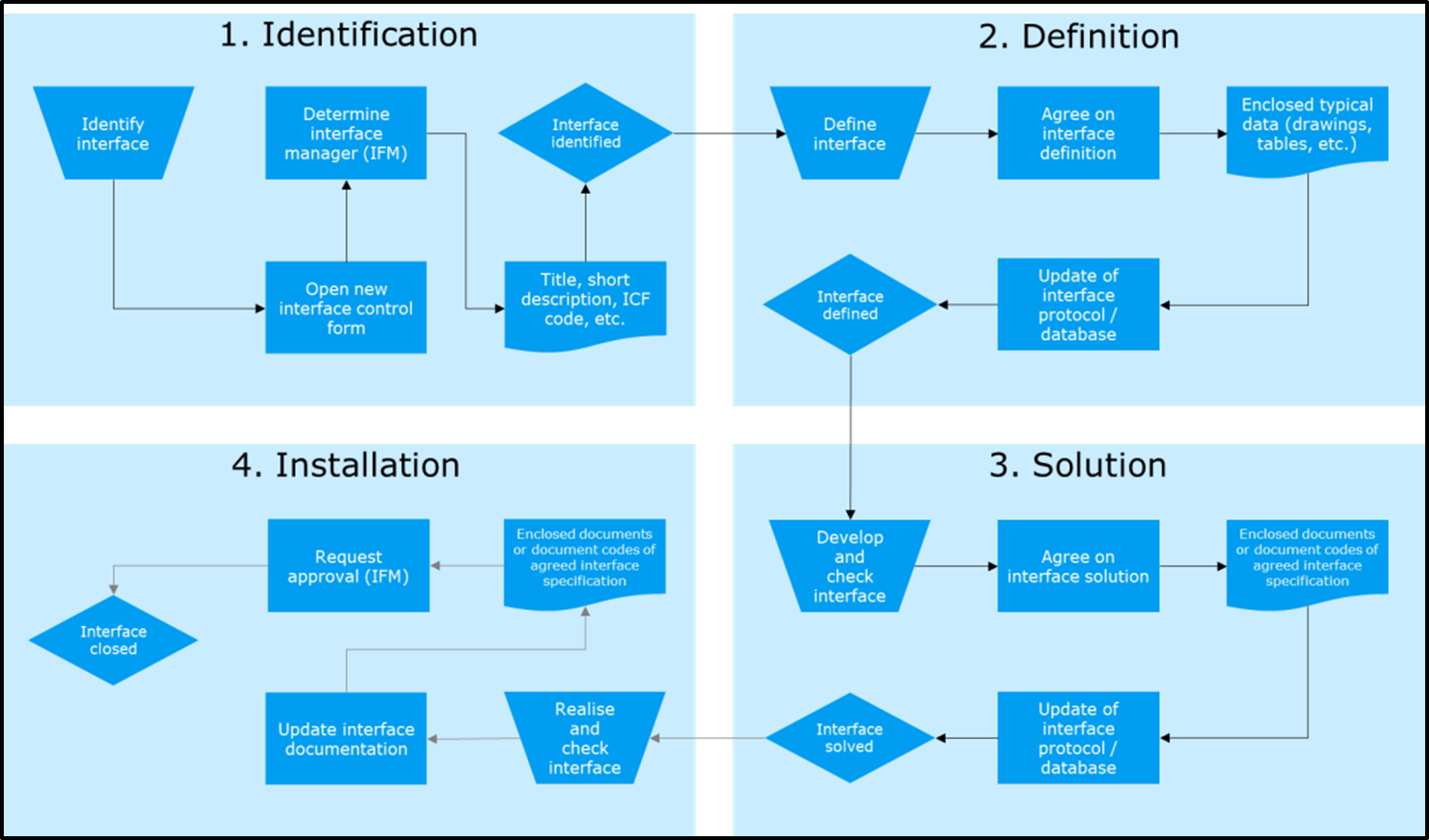
Figure 2: Interface Management Process
Through an in-depth analysis of international case studies and real-world applications, this thesis demonstrates the transformative potential of interface management. It highlights how structured approaches can mitigate risks, optimize resource allocation, and promote efficient decision-making, ultimately setting new standards for managing complexity in infrastructure projects.
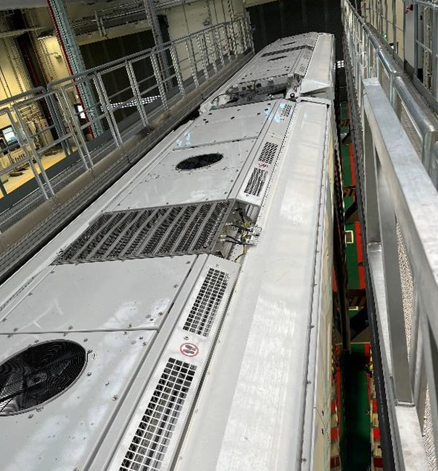
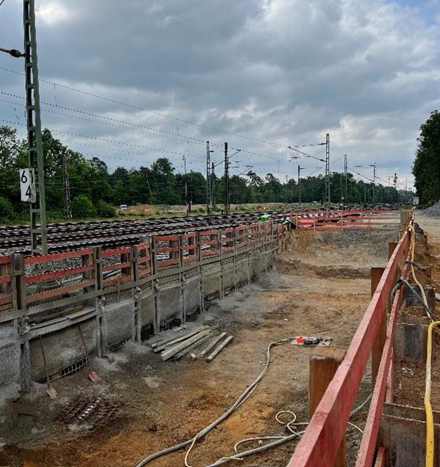
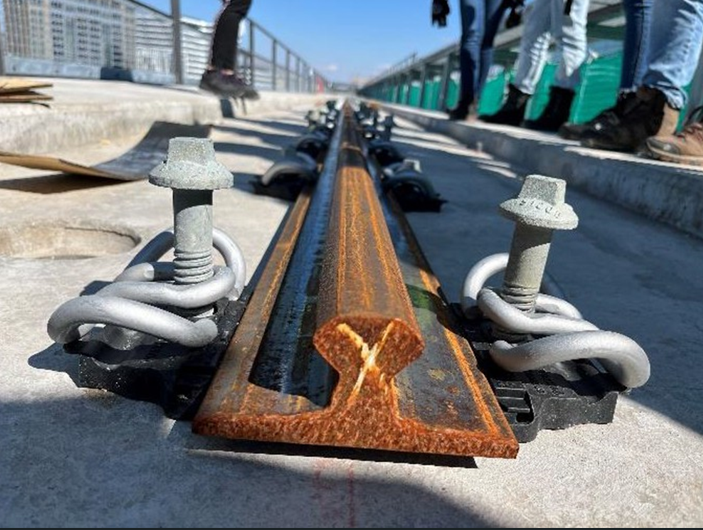
Figure 3: Rollin Stock in the depot and numerous Interfaces on the track side, Frankfurt
The findings of this thesis provide several critical lessons and actionable strategies for effectively managing contracts, claims, and delays in large-scale rail infrastructure projects. These insights are applicable not only to the rail sector but also to other complex construction initiatives requiring high levels of coordination and integration.
The foundational Role on Interface Management: Interface management is the cornerstone of successful project execution in large-scale infrastructure development. By identifying and defining interfaces early in the project lifecycle, teams can anticipate potential risks and address them proactively. The Interface Management Plan (IMP) offers a structured approach to capturing all relevant interactions, ensuring that responsibilities, timelines, and deliverables are clearly defined. Meanwhile, the Interface Matrix provides a dynamic tool for monitoring the status of interfaces, facilitating continuous alignment among stakeholders. Together, these tools enable project teams to maintain clarity and accountability, significantly reducing the likelihood of disputes and delays.
The Critical Importance of Contractual Provisions: Contracts serve as the foundation for effective interface management. Embedding interface management responsibilities within established contractual frameworks, such as VOB or FIDIC, ensures that all parties are aligned from the outset. Detailed provisions outlining roles, technical requirements, and testing protocols help prevent ambiguities that often lead to conflicts. For example, joint testing and commissioning clauses encourage collaboration among contractors, while regular coordination meetings ensure that issues are resolved before they escalate. Change management mechanisms embedded in contracts further enable projects to adapt to evolving challenges without derailing progress.
Collaboration as a Driver of Succes: The complexity of rail infrastructure projects demands active collaboration among stakeholders. Effective stakeholder engagement begins in the early stages of project planning and continues throughout execution. By fostering open communication and transparency, project teams can build trust, reduce resistance, and ensure alignment with broader objectives. This thesis emphasizes the importance of regular coordination meetings, shared decision-making processes, and clearly assigned responsibilities in cultivating a culture of collaboration. When stakeholders work together toward common goals, the risks of misalignment and disputes are minimized, paving the way for successful outcomes.
Adapting to Dynamic Challenges: Infrastructure projects operate in rapidly changing environments influenced by technological advancements, shifting regulatory landscapes, and unforeseen risks. This thesis highlights the need for project teams to remain adaptable through continuous monitoring of interfaces while adhering to structured processes. Proactive risk management is a key component of this adaptability, allowing teams to identify potential disruptions and implement mitigation strategies. Flexibility in addressing evolving requirements, combined with robust planning, ensures that projects remain resilient in the face of uncertainty.
Driving Innovation for Improved Outcomes: Innovation plays a central role in enhancing the efficiency and effectiveness of infrastructure projects. This thesis explores how advanced tools and methodologies can streamline interface management processes. For instance, digital platforms for interface tracking enable real-time updates and greater accessibility, while modular construction techniques reduce dependencies and accelerate timelines. Furthermore, aligning innovations with sustainability goals ensures that projects contribute positively to environmental and social outcomes. By embracing innovation, stakeholders can not only meet current demands but also position themselves to address future challenges.
Reducing Claims and Disputes: A significant portion of delays and cost overruns in rail projects stems from claims and disputes related to interface mismanagement. This thesis underscores the importance of addressing these issues through comprehensive documentation, clear contractual provisions, and robust dispute resolution mechanisms. By proactively identifying potential sources of conflict and establishing processes for resolving them, project teams can avoid prolonged litigation and maintain focus on delivering project objectives.
This thesis offers a comprehensive exploration of the challenges and opportunities in managing contracts, claims, and delays in modern rail infrastructure projects. Through its focus on interface management, it provides a structured framework that integrates technical, contractual, and operational solutions. The findings highlight the importance of early planning, stakeholder collaboration, and innovative tools in addressing the complexities of large-scale construction initiatives.
The lessons learned from this research are not limited to the rail sector but are broadly applicable to any project requiring the integration of multiple systems and stakeholders. By adopting the strategies outlined in this thesis, industry professionals can enhance accountability, reduce risks, and achieve more efficient project delivery. Moreover, the emphasis on sustainability and innovation ensures that these projects align with broader social and environmental goals, contributing to a more resilient and connected future.
In conclusion, effective interface management represents a transformative approach to overcoming the challenges of modern infrastructure development. By fostering collaboration, promoting clarity, and embracing adaptability, stakeholders can set new benchmarks for success, ensuring that their projects meet technical, financial, and societal expectations. This thesis provides a valuable roadmap for achieving these goals, paving the way for more efficient, sustainable, and impactful construction practices.