
TITLE OF MASTER THESIS: Impacts of Contractual Deviations, Governance and Risk Management Failures in EPC Delivery at Neelum Jhelum Hydropower Project (NJHP)
TITLE OF MASTER: Project and Contract Management in Construction Works
AUTHOR: Abdullah Arshad
TUTOR: Ing. Giovanni Franchi
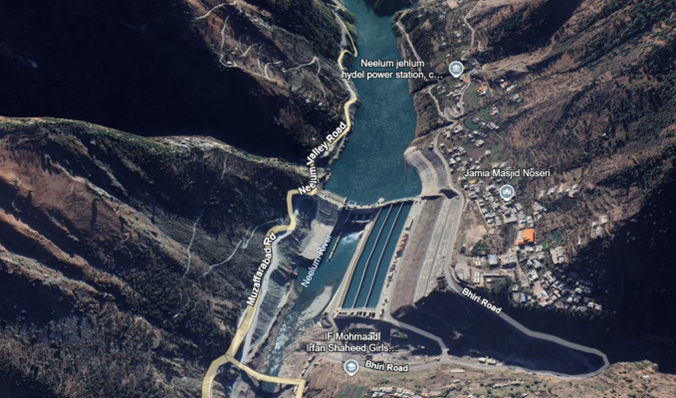
Neelum Jhelum Hydropower Project (NJHP) is a 969MW run of river hydropower project in Azad Jammu Kashmir. The project has been carried out in a mountainous corridor with challenging access, high technical uncertainties and high political visibility. The scheme consists of diversion and intake works on the Neelum river, long conveyance tunnels and an underground powerhouse. In such environments, performance is rarely something that can be determined through engineering alone. It is strongly influenced by the ways in which planning baselines are determined, ways in which procurement decisions are rationalized, and ways in which contract and risk controls are enforced over time.
This thesis examines NJHP as a governance case study. The goal is to elicit transferable learning on the relationship of contractual deviations, governance controls and risk outcomes in public EPC megaprojects. The study avoids personalized judgement; it focuses on mechanisms and control gaps that are visible in documented evidence and in standards of professional performance. The central claim is that the results of NJHP came about due to a single isolated technical failure. They reflect repeated variations from governance and risk management requirements that compounded themselves from one phase to the next and were not corrected early enough.
Methodologically, the research is evidence to standards approach. Audits observations (from public audits) and supporting project documentation were separated into discrete and codable events and mapped onto the baseline of the governance. The baseline was composed combining the instruments of planning and procurement of Pakistan and widely used international benchmarks such as Planning Commission Guidelines, PPRA procurement rules, PEC EPC conditions, FIDIC Golden Principles, ISO 31000 and PMI risk standards, and INTOSAI performance audit standards. Each coded event was evaluated for compliance state and then was graded on a four-point scale for level of severity for cost, schedule, risk and legal impact. This structure allows for cross-tabulation among project phases, testimony of deviation and profile of outcomes.
Seventy-two coded events were identified during the project lifecycle. Construction made up 38.9 percent of coded events and procurement accounted for 25.0 percent; while planning and design were responsible for 19.4 percent and operations and closure accounted for 11.1 percent. Initiation accounted for 5.6 percent. This distribution serves to indicate that governance weakness was not isolated during early stages of feasibility and design, but was entrenched into the procurement and construction stages, where decision records, controls of payments and change governance are most appropriate and strongest. The compliance mapping shows a systematic misalignment with delivery-critical governance standards with highest non-compliance against FIDIC Golden Principles (67 per cent) and Planning Commission (61 per cent). PPRA procurement rules were also found at high rate of non-compliance (55 percent), followed by ISO 31000 and PMI risk standards (50 percent) and PEC EPC conditions (47 percent).
To transcend generic labels like “mismanagement”, the thesis forges the development of a deviation typology. Oversight lapses were the most frequent pattern (55.3 percent of non-compliant/partially compliant events). Process lapses made up 23.4 percent and compliance lapses and risk lapse each 10.6 percent. Severity is the key insight. Risk lapses were fewer in number, but the average risk severity (3.8 out of 4) and average legal severity (3.2 out of 4) of risk lapses was the highest. Across types of deviation, a total of 35 high-impact events were recorded with severity scores at or higher, 3-like-concentration of governance failures that have credible consequences of time, cost, claims or operational-reliability.
The results attributable to these patterns can be seen as a milestone trajectory of the project and performance of assets. The original PC-I completion date was on 31 December 1996, and commercial operation of all units was around 28 December 2018, and this is about 21 to 22 years behind the earliest baseline. Even against subsequent baselines, material drift persists including an approximate three-year slippage with respect to an EPC completion target date of about October 2015. Beyond schedule, observing the ‘delivery’ form of weaknesses NJHP experienced a significant loss of operational reliability through a forced outage from 06 July 2022 until 10 August 2023, after a tunnel collapse event showing a contributing factor in operational loss when delivery governance weaknesses are left unresolved.
The lessons learned are practical and applicable. First, EPC contracting is not a replacement for readiness. If front-end definition, approvals and decision rights are weak, the EPC form tends to compound both disputes and change rather than contain it. Second, procurement and packaging choices need to be controlled through auditable attainment and attainable schedules as well as ensure of enforceable checking compliance as procurement is where feeble governance becomes hard-wired right into delivery. Third, oversight requires definite power, independent assurance capacity, and escalation mechanisms before rather than after destruction of the value. Finally, risk governance should be regarded as an operating system which should interlink planning baselines, change control, payment certification, and asset risk management into one coherent accountability chain.
In conclusion, NJHP shows that underperformance of mega projects can be systemic and predictable if the control of governance is weak or regularly inconsistent. Complementary to current approaches, the thesis makes a replicable contribution by individualizing audit narratives in structured governance evidence by standards mapping, it types deviations and scores their severity. By rendering deviations countable and traceable, the approach favors institutionalized learning, offering the practical underpinning for hardening up planning gates, procurement discipline and contractual risk governance, for future public EPC infrastructure projects.
For EPC megaprojects, most of the reforms implied by the NJHP evidence are straightforward in practice. Front end readiness needs to be secured by binding gate reviews which cover design maturity, status of land and water rights, financing readiness and interface risk ownership before purchasing commitments. Procurement should be circular in packaging rationale, competitive bidding discipline and full evaluation records. Contract administration should ensure variations, payments, defects and claims are controlled processes with time limits, documented approvals and audit prepared. Event based compliance matrix and severity scoring approach provides a replicable method for archiving audit narratives into governance diagnostics. It is applicable beyond hydropower projects and is crowd-sourced to adapt for roads, rail and water infrastructure where EPC delivery and multi actor oversight is rampant. By having deviations countable and traceable, the approach enhances institutional learning by comparison to the merely narrative reporting. NJHP is thus a systemic case of governance and risks failure in EPC delivery.
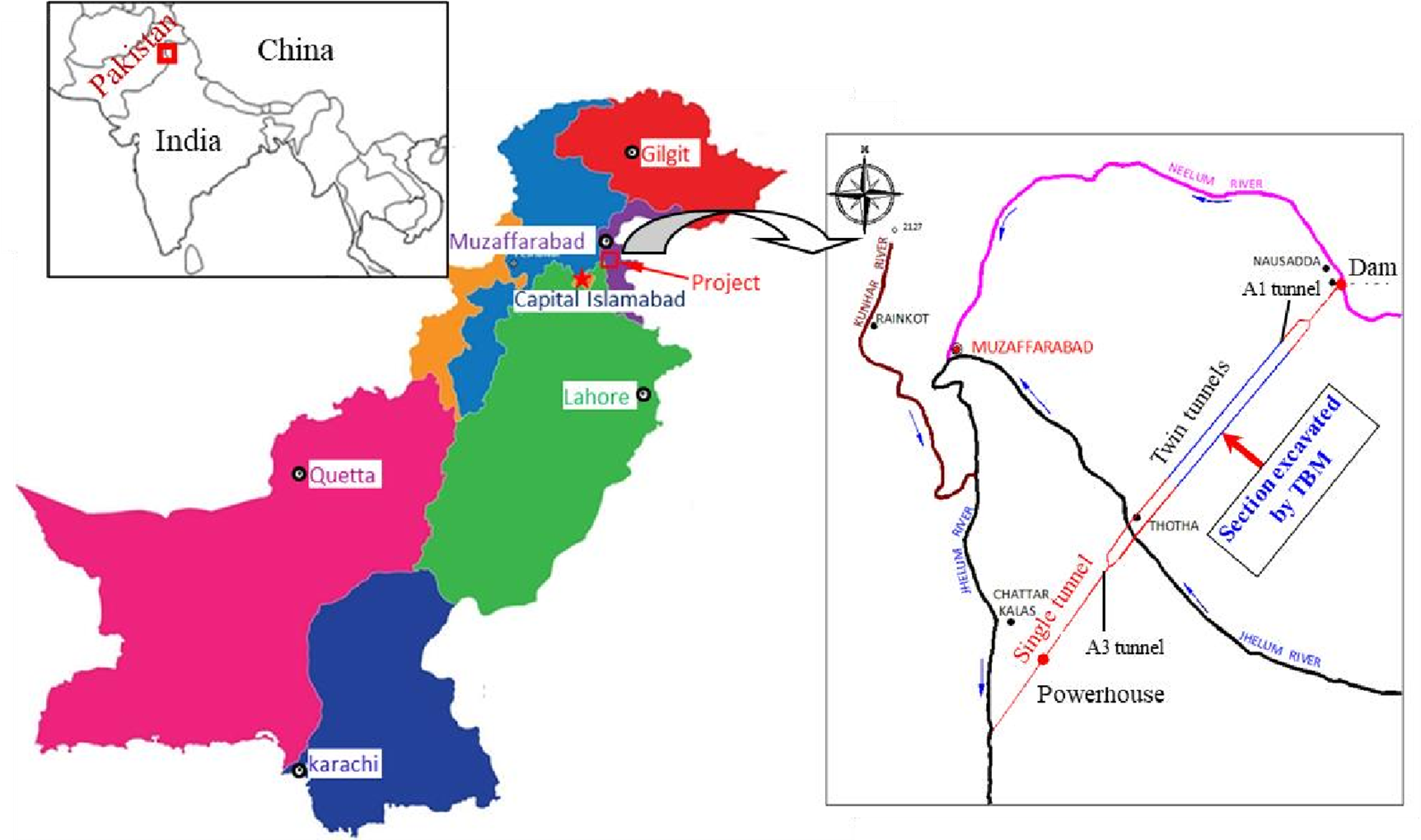
Figure 1. National and local location of NJHP and the main scheme alignment (thesis).
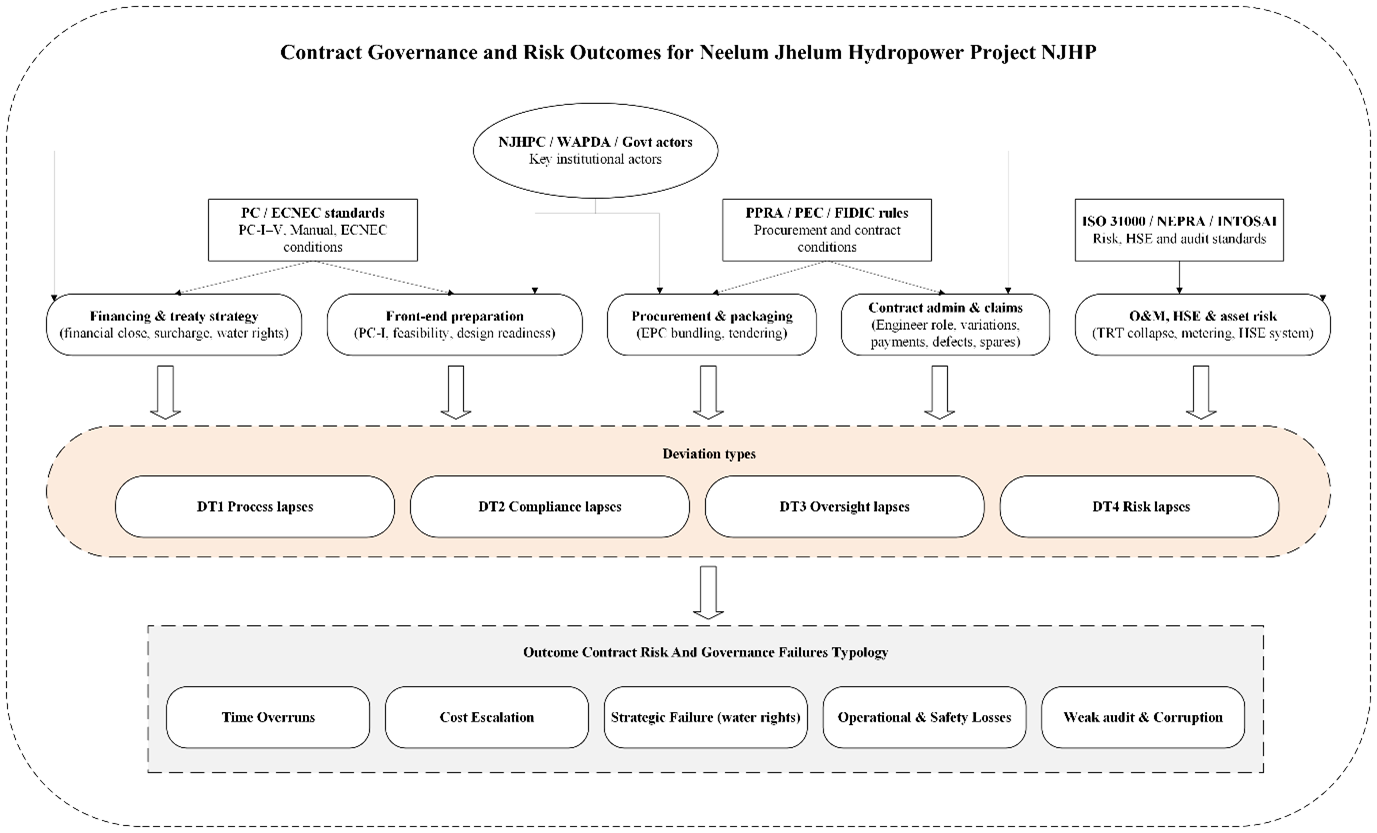
Figure 3. Contract governance and risk outcomes model for NJHP, linking governance instruments, deviation types, and outcome classes (author-created thesis framework).
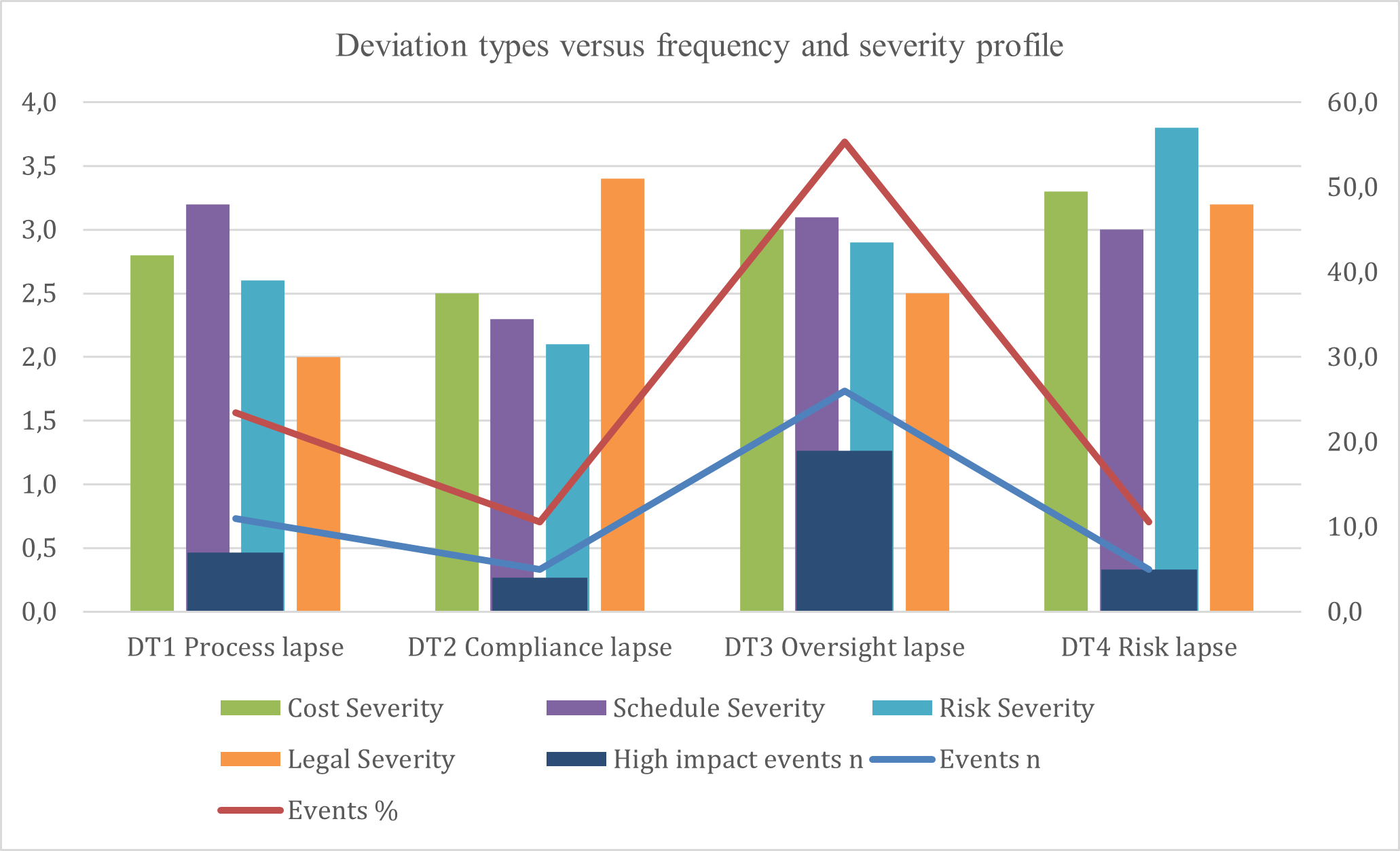
Figure 4. Deviation Types In NJHP: Frequency, Average Impact Severity And Number Of High-Impact Events.