

AUTHOR: KHALED ASHRAF ABDALAZIZ KHALIL ALKAEI
TUTORS: Eng. Giovanni Franchi
MASTER: Master in “Project management in construction works with BIM”
Outline of the Thesis
The thesis will first give an introduction about the PPP projects; history, importance and benefits.
Details about the PPP opportunity and the scope of works required.
Details and explanation about the deliverables completed and submitted for the public authority by the project manager and the team members.
Improvements and suggestions.
Definition of PPP:-
To start off first we have to know the definition of a PPP project. It is a collaborative arrangement where a public sector entity, such as a government or public authority, partners with a private sector entity, like a private company or consortium, to design, build, manage a specific project for a certain time period by the private entity and then transfer the property at the end of the time period to the public sector.
History of PPP:-
Public-Private Partnerships (PPPs) have a long historical legacy and it is not quite clear what is the first recorded PPP project in history, but according to Wikipedia the origin and concept of PPP was used in the early 1800s by Muhammad Ali of Egypt who was the governor and ruler of Egypt and used the PPP concept to obtain public works for minimal cost while the concessionaires’ companies made most of the profits from projects such as railroads and dams.
Meanwhile, the contemporary era of PPPs emerged during the late 1980s and early 1990s. This period coincided with fiscal constraints faced by numerous governments, compelling them to seek alternative means of delivering infrastructure projects without imposing additional taxes or incurring excessive debts. PPPs offered a way to do this by bringing in private sector capital and expertise.
Case Study Selection and Justification
This case study was selected due to the importance of the PPP investments world wide and this project is a good reflection of such investments, as it is this case study is focused from the project’s conceptual stage since the release of the RFP documents from the public authority till the bid deliverables submittal from the private sector that were required. Reflecting a complete and detailed deliverables which will help in understanding and giving a clear example of PPP investment projects which can be used as a guide for future projects.
Aim and Scope of the case study:-
The aim of the case study is to show a detailed example and explanation on how the objectives of a PPP project
were meet, by the lead of the project manager to submit it for the public authority for this public private partnership project (PPP-DBFOMT) Design, Build, Finance, Operate, Maintain and Transfer, and will show the role of the project manager in managing the project, by using the project management tools and techniques. The scope of work developed and explained in details in this case study is defined into the following sections:-
• Stakeholder Management plan.
• Construction Management Proposal
• Design Management proposal
• BIM Information Management.
• Payments Management.
• Change Management.
• Risk Management.
• Procurement and Contracts Management.
• Contract Administration and Claims Management.
• Facility Management proposals
High-Level Requirements:-
Providing the bid to the public authority on time.
Avoiding scope creep and setting out the design guidelines (FAR, Footprints, building components, technical details)
Defining the stakeholders.
Stakeholders (Designation) Regulatory body
Client The public authority.
Project Sponsor & Project management The developer.
Project Team The developer, designer and the contractor
End Users Public individuals
Regulatory Authorities Governmental authorities.
Project Brief:-
The Project consists of two separate buildings, one for the Retail Center including a public parking and one for the Fitness Center. The two buildings are separated by a public parking area with a total land area of 5,655 sqm. The Retail Center is located on a total land area of 4,920 sqm and is designed to include retail units, restaurants, lifestyle facilities and entertainment venues. The Fitness Center is located on a total land area of 2,000 sqm and was designed to include a basement, ground floor and 1st and 2nd floors.
Project Component Land Plot Area (m2) Allowable FAR % Allowable FAR AREA (m2)
Retail Mall 4,920.00 200% 9,840.00
Fitness Centre 2,000.00 180% 3,600.00
Ground Parking 5,655.00 N/A N/A
Preliminary Project Management plan
A Project Management Plan was developed, implemented and maintained that included the operational procedures to be followed during the various stages of the project. It identified the specific lines of authority rand responsibility and established the reporting requirements and the required document distribution.
The main goal of the project management plan is to ensure that all the parties remain continually aligned with the strategic priorities of the Developer’s Company and The Public Authority, to deliver the expected benefits.
The Project Manager, maintained an oversight of the purpose & status of the project and the associated works packages, to support project level activity to ensure the overall goals are met.
The Project Manager, was responsible for the overall performance of the project delivery and the start point was to set the project objectives that included the following:
• Following the rules and regulations of the Public Authority.
• Leading and resourcing the project and the team.
• Directing the team.
• Defining the project scope of work and realizing program / project benefits.
• Resolving problems and conflicts within the project.
• Providing an interface with stakeholders.
• Monitoring and advising on program and project progress.
Conclusion and lessons learned
PPPs offer a promising avenue for delivering the projects. However, to maximize their benefits, they require careful planning, implementation, and ongoing management. Here are some key areas to focus while working on a PPP project to avoid any problems or complications:-
• Ensuring that risks are assigned to the parties best equipped to manage them.
• Implementing effective systems for identifying, assessing, and mitigating risks throughout the project lifecycle.
• Developing clear and enforceable contracts that address all potential contingencies and disputes.
• Incorporating mechanisms to accommodate changes in project scope or circumstances.
• Establishing clear roles and responsibilities for all parties involved in the PPP.
• Conducting periodic reviews to assess project progress and identify areas for improvement.
• Ensuring that all relevant stakeholders, including the public, private sector partners, and government agencies, are actively involved in the project.
• Maintaining open and transparent communication with stakeholders throughout the project lifecycle.

Building Elevation
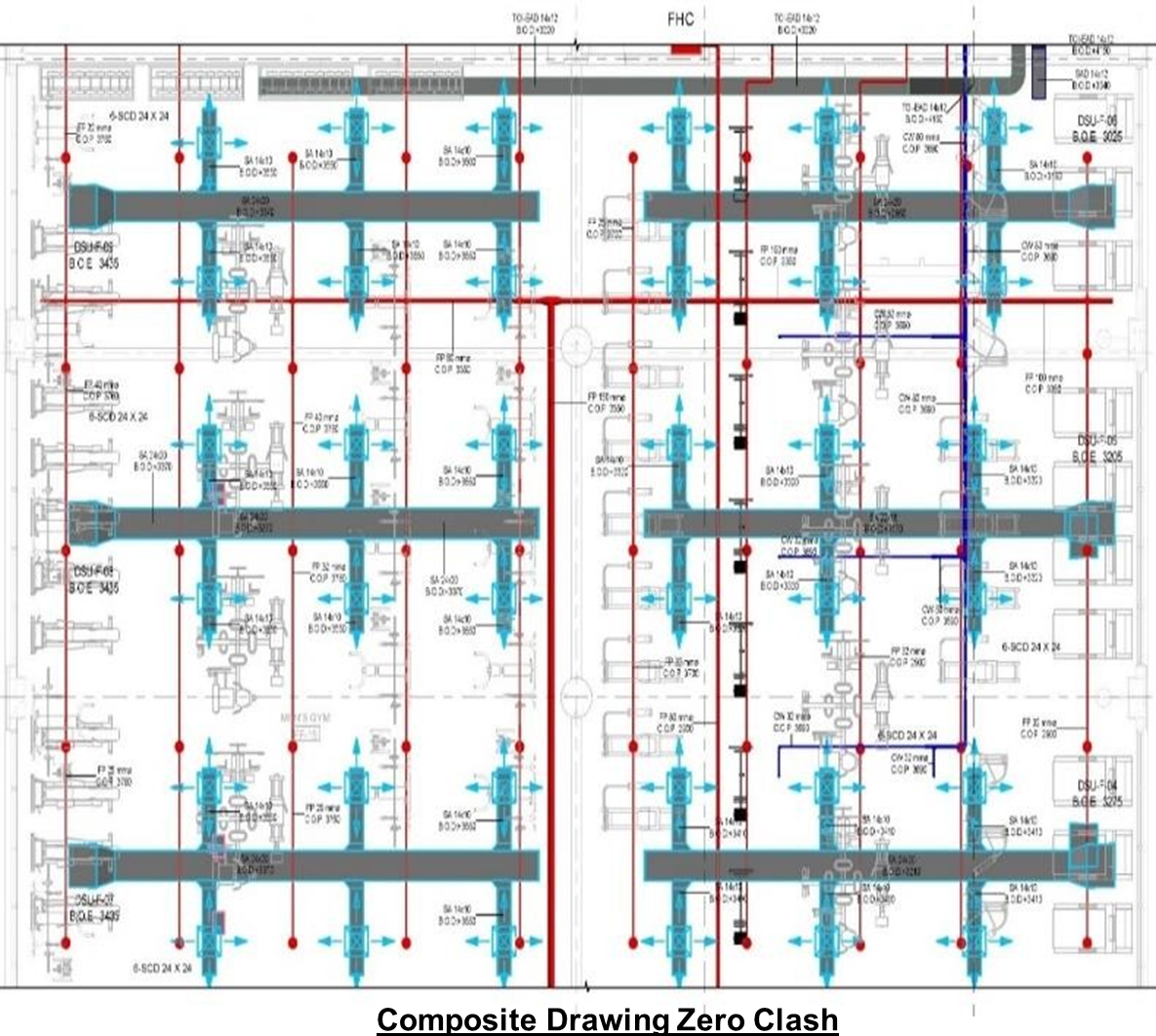
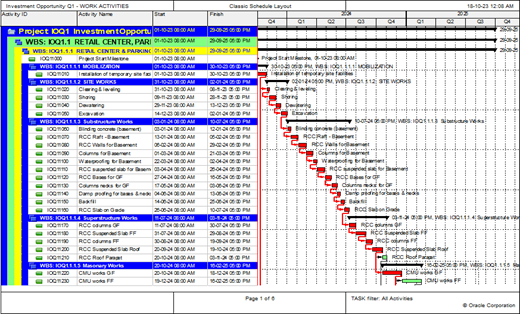
Screenshots from Primavera Schedule and the Major WBS for the Project