
TITLE OF THE MASTER THESIS: Lessons learned from the BIM implementation in the design phase of Bogota’s metro project
TITLE OF THE MASTER: Project Management in Construction works with BIM
AUTHOR: María Ximena Escobar Juzga
TUTOR: Ing. Franchi
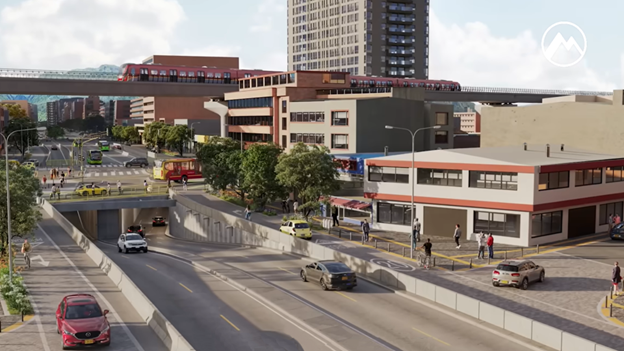
Designed as a cornerstone of Bogotá’s long-term transportation strategy, the Metro Line project spans 23.9 km of elevated alignment, integrates 16 stations, and promotes significant urban renewal, creating approximately 1.4 million square meters of public space. After decades of political debate and resource constraints, the adoption of Building Information Modeling (BIM) during the design phase emerged as a strategic response to a demand for transparency, efficiency, and modern project control in a country where corruption and governance challenges have historically undermined infrastructure delivery.
This thesis documents lessons learned from the implementation of BIM during the detailed design phase of the Bogotá Metro Line 1 project, based on the author’s experience as BIM Information Manager within the lead designer company of civil works and systems. The observations presented reflect a personal interpretation of challenges and achievements encountered over three years of active participation in the project. While grounded in professional practice, these insights aim to contribute to academic discourse on digital methodologies in large-scale infrastructure projects, offering constructive reflections that respect the roles and efforts of all stakeholders involved.
The implementation of BIM relied on ISO 19650 principles, contractual mandates (Technical Appendices), as well as PMO instructions and legacy data from previous project phases. These elements provided a foundation for structured information management. Furthermore, the thesis highlights that the Work Breakdown Structure (WBS), the Responsibility Matrix, and the safety measures of the design company were essential for organizing the Common Data Environment (CDE) used for internal engineering design work. A comprehensive training strategy, delivered in English and Spanish and tailored to diverse audiences, covered both Project and Software topics that facilitated onboarding and promoted consistency in deliverables. This initiative demonstrated that investing in knowledge transfer is a core component of digital project delivery, enabling teams to fully leverage BIM capabilities
The joint efforts of project management, the delivery team, and the BIM core group enabled coordinated work on each design package and its corresponding BIM deliverables. As part of the lessons learned, however, modern alternatives for collaboration workflows—such as the “Design Collaboration” module within Autodesk Construction Cloud—are included to improve change management and model version control. Moreover, the lessons learned emphasized the importance of strict access control and governance over information-sharing protocols to prevent workflow disruptions.
While the Common Data Environment (CDE) served as the single source of truth for models and documentation within the design company. Governance instruments such as the BIM Execution Plan (BEP), Master Information Delivery Plan (MIDP), and Model Production and Delivery Table (MPDT) were intended to clarify roles, responsibilities, and deliverables. However, delays in their approval highlighted the tension between governance ambition and operational realities, underscoring the need for early agreement on BIM documentation to avoid scope ambiguity and coordination inefficiencies.
The project’s digital ecosystem combined Autodesk tools (Revit, Civil 3D, AutoCAD) with Bentley platforms (OpenRail, MicroStation) to address interoperability challenges across disciplines. Depending on the project delivery phase, the models could be used for quantity take-offs. Internal reviews indicated that model parameterization helped save time when quantifying materials. Partial automation and parameterization initiatives laid the groundwork for future advancements in the project. Custom Dynamo scripts and hybrid workflows were implemented to overcome software limitations, and dashboards supported issue tracking and delivery status. Despite these advances, the experience revealed that technology alone does not guarantee success; organizational culture and capacity building are equally critical.
The lessons learned extend beyond technical coordination. They encompass the strategic importance of defining organizational boundaries, prioritizing value-driven decisions, and fostering resilience in high-pressure environments. Challenges such as cultural differences, language barriers, and frequent personnel changes required adaptive strategies to maintain continuity and avoid scope creep scenarios. The solutions identified include the adoption of advanced collaboration tools, structured onboarding systems, and managerial practices that promote work-life balance to prevent burnout. These insights reinforce that successful BIM implementation depends on integrated strategies that combine governance, technology, and human factors within the broader framework of project management.
In conclusion, and from the perspective of the design company, the Bogotá Metro Line 1 project demonstrates that a well-implemented BIM strategy, fully integrated with project management, can act as a catalyst for transparency, efficiency, and stakeholder alignment in complex infrastructure environments. Beyond its technical contributions, BIM played a pivotal role in enabling public oversight and defending the project during periods of intense political and media scrutiny. By embedding lessons learned into governance frameworks from project inception, future initiatives can enhance efficiency, reduce risk, and maximize the long-term value of digital methodologies. This thesis contributes to the evolving body of knowledge on BIM in infrastructure development and offers strategic guidance for projects seeking to leverage collaborative technologies in challenging contexts.
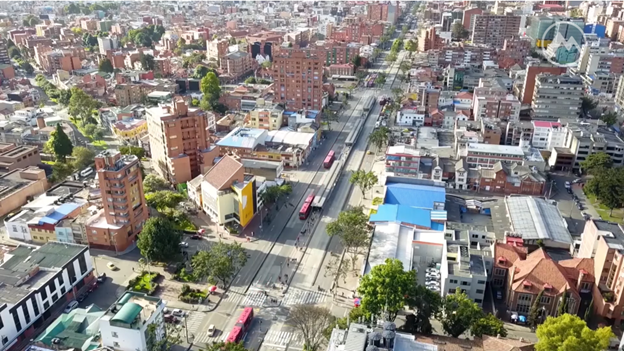
Image 1. Caracas Avenue “Before” Metro de Bogotá 2025.
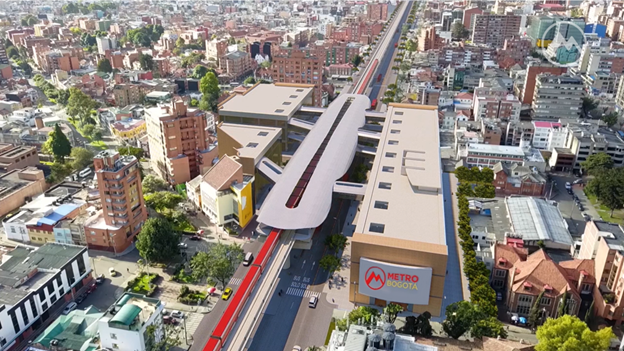
Image 2. Caracas Avenue “After” Metro de Bogotá 2025.